
Our research is driven by a desire to understand dystonia. Enhanced understanding and the in-depth behavioural results arising from our research will impact on clinical advances, potentially leading to new therapeutic options
A core hypothesis, which underlies much of the work of the IDRG is that cervical dystonia is caused by defective inhibition of sensory and motor neurons in the superior colliculus as a result of reduced gamma-aminobutyric acid activity.
Our research projects are designed to test this hypothesis from several angles:
Exploration of the behavior of visual, motor and somatosensory processing.
Assessment of the functioning of the superior colliculus through functional magnetic resonance imaging (fMRI), and
Determination of epidemiological, environmental and genetic factors in the development of dystonia.
Follow the links to find out more about each of our research topics.
Research Areas
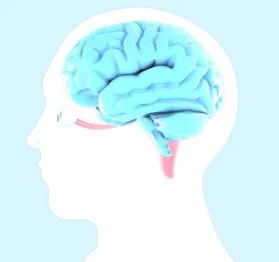
Temporal Discrimintation Threshold
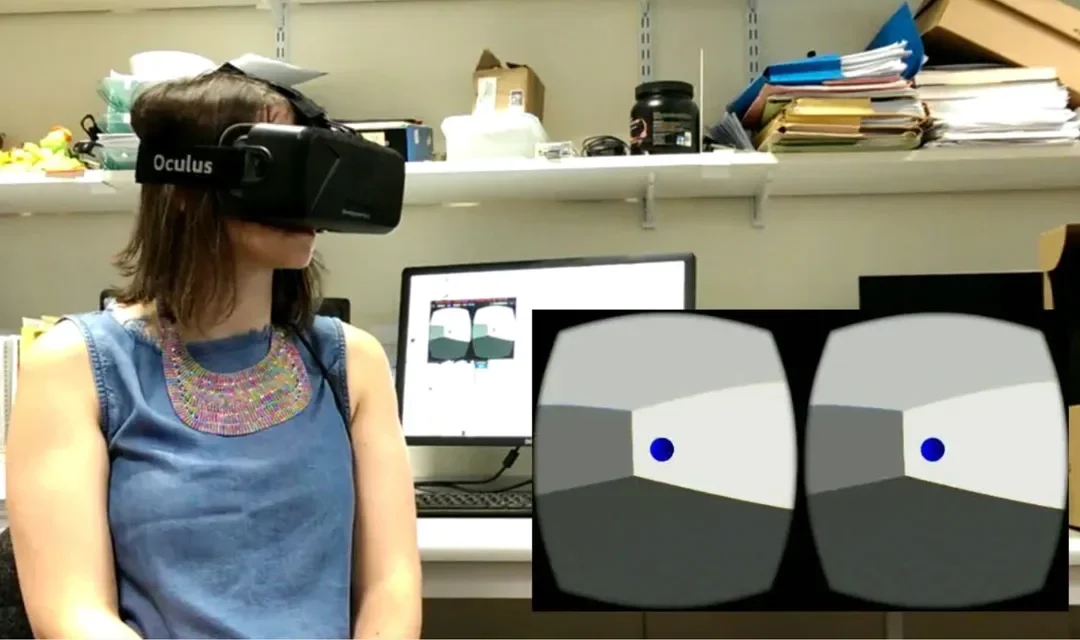
Head and eye movement and processing